

 EN
 English
 Deutsch
 中文简体

Choosing the right SMD passive buzzer is a crucial step in designing a PCB (printed circuit board) for electronic devices. The correct buzzer ensures that your gadget provides clear, effective signal alerts while meeting size, power, and cost requirements. In this article, we will explore key considerations when selecting an SMD passive buzzer for your PCB design, helping you make an informed choice based on your specific needs and application requirements.
Content
Understanding the Role of SMD Passive Buzzers in PCB Design
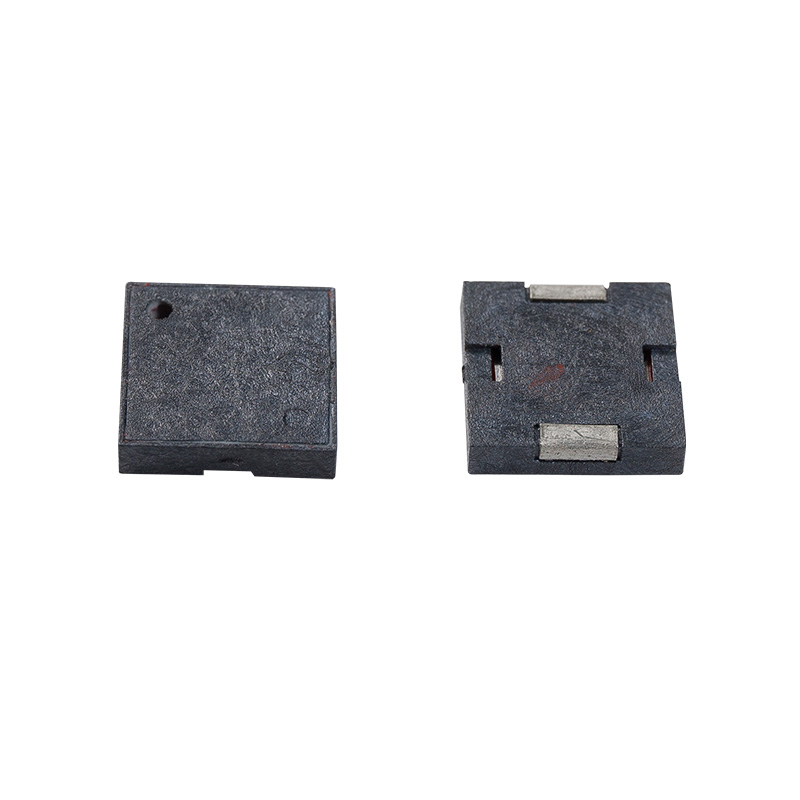
SMD passive buzzers are compact, surface-mounted devices used to generate sound alerts in electronic systems. Unlike active buzzers, which contain an internal oscillator, passive buzzers require an external frequency signal to produce sound. When designing a PCB, selecting the appropriate buzzer is vital for ensuring reliable sound output while maintaining the desired form factor, power consumption, and cost efficiency.
Key Features of SMD Passive Buzzers
Before diving into the selection process, it's essential to understand the primary features of SMD passive buzzers. These include:
- Size: SMD passive buzzers come in various sizes, making them suitable for different applications where space constraints are a concern.
- Operating Voltage: The voltage required to operate the buzzer effectively, which typically ranges from 3V to 12V depending on the model.
- Sound Output: The pitch and volume of the buzzer's sound, which are determined by the frequency of the signal supplied to the device.
- Frequency Range: The range of frequencies that the buzzer can produce, typically in the range of a few kilohertz.
- Power Consumption: Passive buzzers are generally low power, but it’s important to select a model that matches the power requirements of your device.
Factors to Consider When Choosing an SMD Passive Buzzer
Selecting the right SMD passive buzzer for your PCB design depends on several factors. Below are the critical considerations to ensure you choose the optimal buzzer for your application:
Size and Form Factor
The physical size of the SMD passive buzzer is one of the first factors to consider. For space-constrained designs, such as in wearables, medical devices, or compact electronics, it is essential to choose a small buzzer that fits within your available space without compromising sound output. SMD buzzers come in various sizes, so ensure the dimensions match your design requirements.
Operating Voltage and Power Requirements
The operating voltage of the buzzer should align with the power supply of your device. Most SMD passive buzzers operate between 3V to 12V, but it's essential to check the specifications to ensure compatibility. For battery-operated devices, selecting a buzzer with low power consumption is crucial to extend the battery life of the device.
Sound Frequency and Pitch
The sound frequency and pitch of the buzzer are important depending on the type of alert or notification you need. For example, a higher-pitched sound may be better suited for short, attention-grabbing alerts, while a lower-pitched tone may work well for longer, more subtle notifications. Some SMD passive buzzers offer frequency range customization, so you can select the appropriate pitch for your device’s application.
Volume and Audibility
The volume of the buzzer determines how loud the sound will be. If your device needs to be used in noisy environments or large spaces, it is essential to choose a buzzer with an appropriate sound output. However, in smaller or more intimate settings, a lower-volume buzzer might be more suitable to avoid disrupting the user experience.
Environmental Considerations
Depending on the application, you may need a buzzer that can withstand harsh environmental conditions such as moisture, temperature extremes, or vibration. Be sure to review the buzzer’s environmental ratings and select one that is suitable for your specific use case. For instance, if your PCB design is for an industrial application, choosing a buzzer with robust protection against dust and water is essential.
Comparing SMD Passive Buzzers: A Quick Overview
Below is a quick comparison of key specifications to help you evaluate different SMD passive buzzers for your PCB design:
| Feature | Buzzer 1 | Buzzer 2 | Buzzer 3 |
| Size | 5mm x 5mm | 10mm x 10mm | 7mm x 7mm |
| Voltage | 3V | 5V | 12V |
| Frequency | 3kHz | 5kHz | 2kHz |
| Power Consumption | Low | Moderate | Low |
Conclusion: Making the Right Choice for Your PCB Design
Selecting the right SMD passive buzzer for your PCB design requires careful consideration of size, voltage, frequency, power requirements, and environmental factors. By understanding the specific needs of your application, you can make a well-informed choice that enhances your device’s user experience while meeting the performance standards required for your project. Whether designing for a wearable, an IoT device, or a consumer gadget, the right buzzer ensures that your product provides effective and clear signal alerts.